THE SCIENCE BEHIND OUR COACHING
body first, then brain, then business.
Everything we do at OCI is grounded in research. Nervous system science, somatic practice, neurobiology, behavior change, and trauma-informed principles. This is not woo. This is how humans actually work.
PERSHING
ONESEVEN
NAPFA
SCHWAB
BARRON'S
FIDELITY
FPA
BAIRD
SHIFT
CONCURRENT
INVESTMENT NEWS
AMERIPRISE
BEYOND THE PLAN
LPL FINANCIAL
FUTURE PROOF
RAYMOND JAMES
WOMEN IN ETFs
JANUS HENDERSON
TOP ADVISOR MARKETING PODCAST
CAMBRIDGE
PERSHING ONESEVEN NAPFA SCHWAB BARRON'S FIDELITY FPA BAIRD SHIFT CONCURRENT INVESTMENT NEWS AMERIPRISE BEYOND THE PLAN LPL FINANCIAL FUTURE PROOF RAYMOND JAMES WOMEN IN ETFs JANUS HENDERSON TOP ADVISOR MARKETING PODCAST CAMBRIDGE
YOUR PATTERNS AREN'T CHARACTER FLAWS.
you've been executing from a nervous system that doesn't feel safe enough to let you succeed.
What you're experiencing isn't a lack of information, discipline, or effort. You have all three. What's underneath these thoughts is a nervous system that was shaped inside a culture built on performance, pressure, and pushing through. And that system has been running the show far longer than you've realized.
The patterns that keep surfacing… the overwork, the self-sabotage, the inability to slow down, the ceiling you keep almost breaking through. Those aren't character flaws. They're adaptations. Learned responses. And they can be updated.
WHY THE BODY FIRST
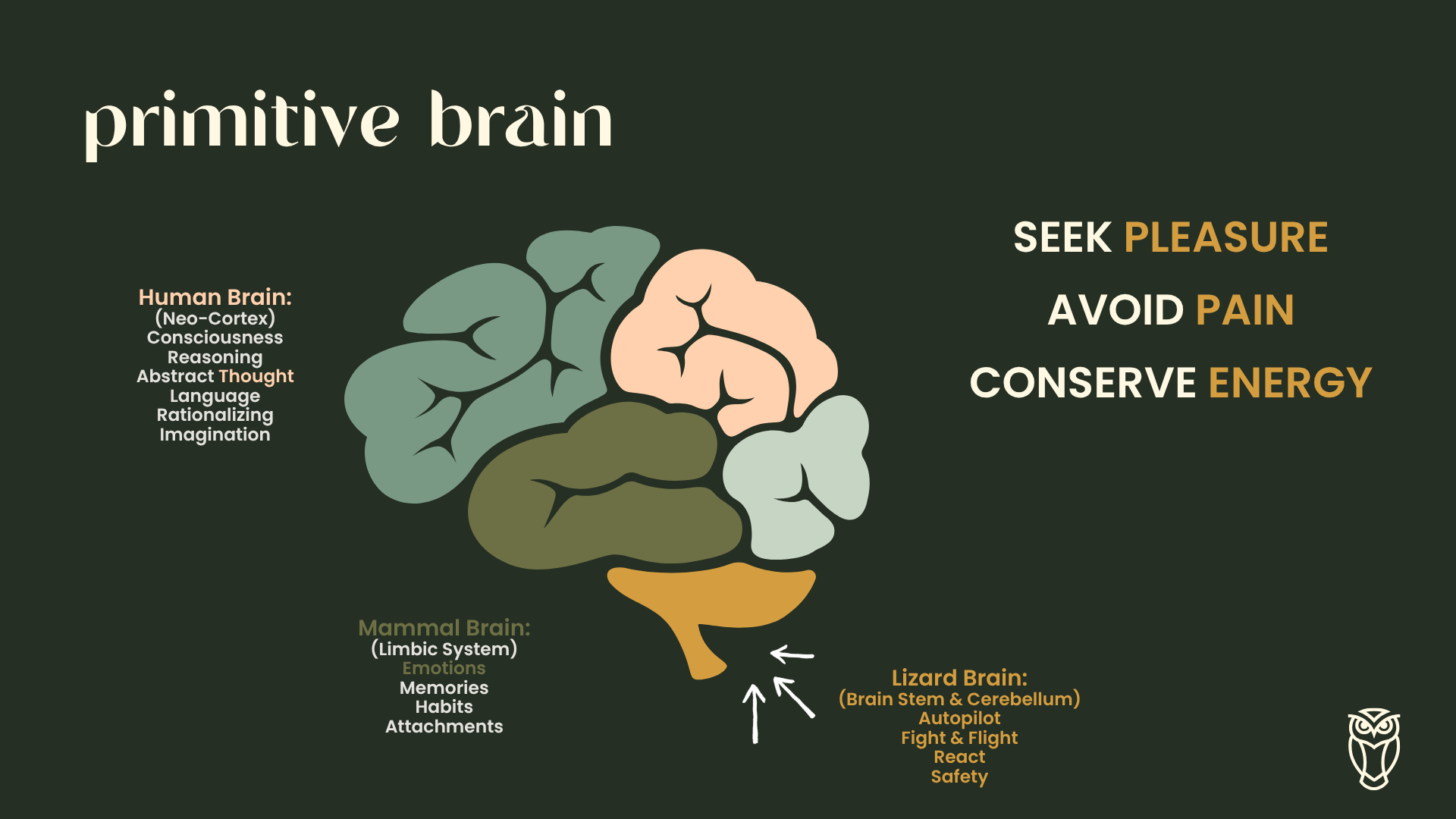
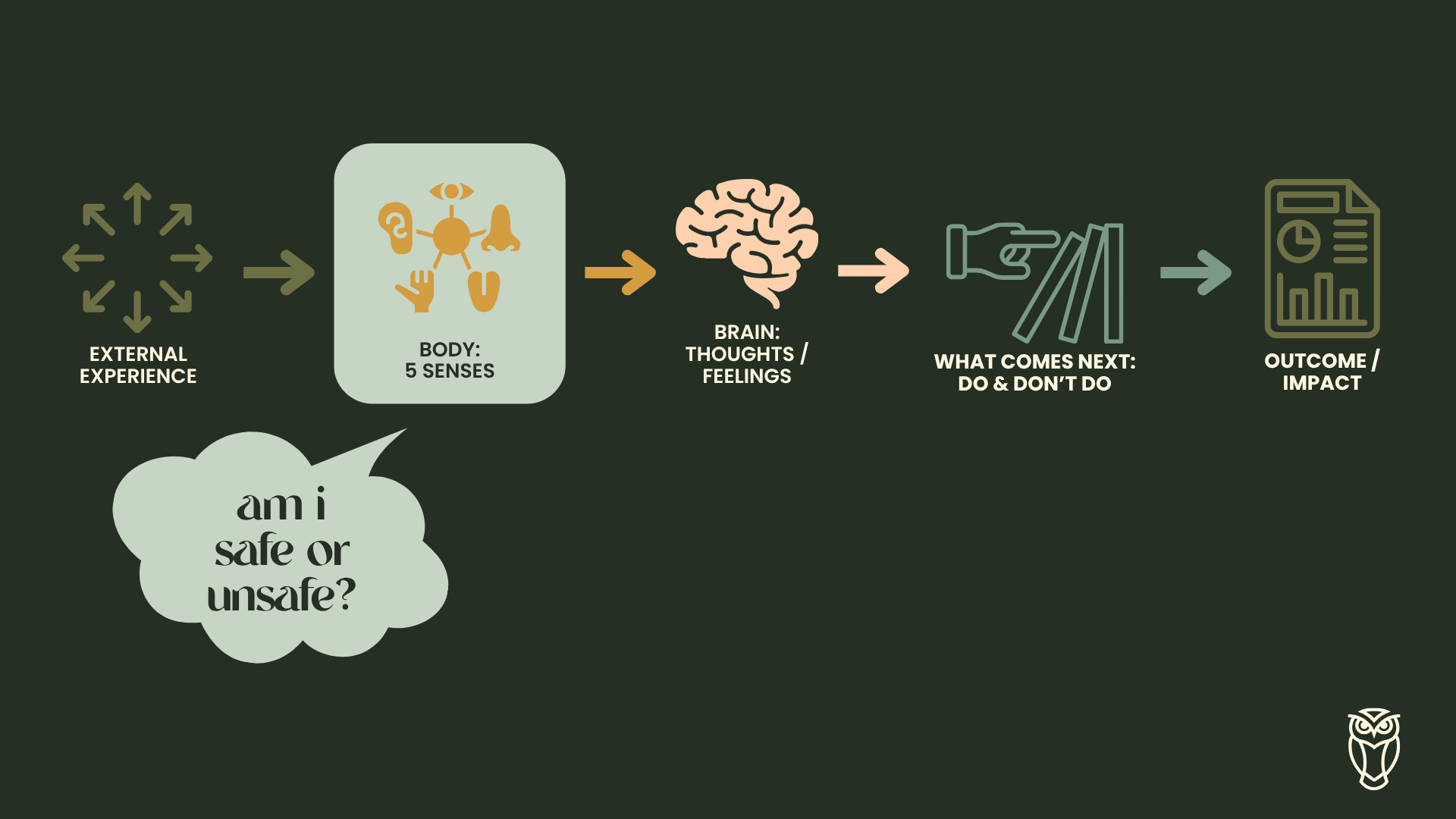
Your nervous system is making decisions before your mind gets the memo.
Most leadership development and business coaching works from the top down. It assumes that if you can think more clearly, make better decisions, and execute more strategically, the results will follow. And sometimes they do, for a while.
But the research tells a different story. When the nervous system perceives threat, whether real or learned, the prefrontal cortex, the part of the brain responsible for clear thinking, long-term planning, and wise decision-making, goes offline. Not metaphorically. Literally.
This means that no amount of strategy, structure, or willpower will reliably work when your body is running an old survival program. The entry point has to be the nervous system itself. That is what the S.O.S. Framework is designed to do.
WHAT WE’RE ACTUALLY DOING
We resource ourselves so we have more control over what comes next.
We’re not trying to be calm all the time. We're not trying to become okay with things that aren't okay. We're not aiming for submission or patience at all costs. We're building the capacity to choose what comes next.
01 Complete the Cycle
Stress is not the problem. Unfinished stress cycles are. Somatic movements and resourcing practices help your body do what it was designed to do — process and release, not accumulate.
02 Come Back Online
When your nervous system perceives danger, executive function goes offline. This is not a flaw — it's perfect neurophysiology. Regulation brings your body and brain back so you can operate with genuine agency.
03 Lead From Alignment
Operating in a way you're truly proud of doesn't always look calm, patient, or kind. Sometimes it looks mad, frustrated, or disappointed. Alignment means choosing your response — not suppressing it.

This is coaching, informed by science. Not therapy.
The work Lindsay does is deeply informed by clinical science. She understands trauma, nervous system dysregulation, attachment patterns, and somatic responses. She brings that lens to every session and every module.
⸻
But OCI is not a clinical practice. Lindsay is not your therapist. She is a coach with 25 years of industry experience and a deep commitment to nervous system literacy. If you are working through significant trauma, she will tell you honestly, and will help you find qualified clinical support alongside or before this work.
Most of the people OCI serves are not in crisis. They are high-functioning professionals who are simply exhausted from operating outside of themselves. This work meets them exactly there.